
AuDHD explained: understanding the combination of autism and ADHD
When autism and ADHD occur together, understanding begins when we stop trying to make someone fit into one box.

Have you ever wondered how someone can crave routine and predictability but also struggle to stick to a routine? Or need quiet and familiarity while simultaneously seeking stimulation, movement and excitement?
For some autistic people, these seemingly contradictory experiences are part of everyday life.
This is where the term AuDHD comes in.
AuDHD is a term increasingly used within the neurodivergent community to describe someone who is both autistic and has Attention Deficit Hyperactivity Disorder (ADHD).
Although autism and ADHD are two separate neurodevelopmental conditions, they frequently occur together. Understanding how they interact can help families, educators and communities better understand the individual behind the diagnosis.
What exactly is AuDHD?
AuDHD combines the terms Autism and ADHD.
Autism influences how a person experiences and interacts with the world, including communication, social interaction, sensory processing and their preference for routines or predictability.
ADHD affects areas such as attention regulation, impulse control, activity levels and executive functioning.
When someone has both, they experience a combination of characteristics from each condition.
It is important to understand that AuDHD is not a separate medical diagnosis. It is an informal term used to describe the co-occurrence of autism and ADHD. A person may receive both diagnoses following appropriate professional assessments.
Understanding the two sides
Although autism and ADHD share some characteristics, they can also present very differently.
Autism may involve:
- A preference for routine and predictability.
- Differences in social communication.
- Sensory sensitivities or sensory-seeking behaviours.
- Deep interests in particular subjects or activities.
- A need for additional processing time.
- Finding unexpected changes difficult.
ADHD may involve:
- Difficulty maintaining attention.
- Impulsivity.
- Hyperactivity or restlessness.
- Challenges with organisation and planning.
- Difficulty starting or completing tasks.
- Seeking stimulation, novelty or movement.
More often linked to autism
- Preferring routine and predictability
- Differences in social communication
- Needing extra processing time
- Finding unexpected change difficult
Where experiences can overlap
- Sensory processing differences
- Emotional regulation challenges
- Executive functioning differences
- Intense focus on particular interests
More often linked to ADHD
- Difficulty regulating attention
- Impulsivity
- Restlessness or hyperactivity
- Seeking novelty, stimulation or movement
Every individual is different. Not every autistic person or person with ADHD will experience all these characteristics.
When two different needs exist in one person
One of the interesting aspects of AuDHD is how the characteristics of the two conditions can sometimes appear to conflict.
Imagine someone who loves having a predictable daily routine but becomes bored doing the same thing repeatedly.
They might want to organise their environment perfectly but struggle with the executive functioning needed to maintain that organisation.
They might crave social interaction but find social situations exhausting.
They might seek sensory stimulation one moment and become overwhelmed by noise, light or touch the next.
These experiences can be confusing, particularly when people around them only recognise one side of the picture.
It is not necessarily inconsistency or stubbornness.
It may simply reflect the interaction between different neurological needs.
Sensory experiences and emotional regulation
Sensory processing differences are common in both autism and ADHD.
For someone with AuDHD, sensory experiences can be particularly complex.

They may actively seek movement, sounds or tactile experiences while also being sensitive to certain noises, textures or environments.
For example:
- Enjoying music but becoming overwhelmed by background conversations.
- Seeking movement but struggling with busy environments.
- Enjoying particular textures but finding certain clothing unbearable.
- Wanting to participate in an activity but becoming overwhelmed by the sensory demands.
When the world feels too loud: sensory experiences in everyday life
Emotional regulation can also be challenging. Frustration, anxiety and overwhelm may build quickly, particularly when someone is struggling to communicate their needs or manage competing demands.
Understanding the underlying needs can change how we respond.
Instead of asking why someone is behaving a certain way, we can start asking what their environment or circumstances might be asking of them.
How can we support someone with AuDHD?
There is no single approach that works for everyone. Support should be based on the individual's strengths, challenges and preferences.
Some helpful approaches include:
1. Create structure without making everything rigid
Predictability can provide reassurance, but flexibility is also important. Visual schedules, advance warnings and manageable routines can help.
2. Understand sensory needs
Pay attention to what someone seeks out and what they avoid. Noise-cancelling headphones, quiet spaces and sensory breaks may make everyday environments more manageable.
3. Allow processing time
Not everyone responds immediately to questions or instructions. Give the person time to process information without repeatedly prompting them.
The importance of processing time
4. Break tasks into manageable steps
Planning, organisation and task initiation can be difficult. Breaking activities into smaller steps and using visual reminders can help.
5. Recognise strengths
People with AuDHD may have wonderful strengths, including creativity, curiosity, intense interests, problem-solving abilities and unique ways of looking at the world.
Support should never be solely about managing difficulties. It should also create opportunities for individuals to explore and develop their strengths.
Seeing the whole person
One of the biggest challenges with overlapping conditions is that people sometimes focus on one diagnosis while overlooking the other.
A child might be labelled as inattentive when they are struggling with sensory overload. Another might be considered inflexible when they are actually finding an unexpected change difficult to process.
Understanding AuDHD encourages us to look beyond individual behaviours and consider the bigger picture.
It also reminds us that no two neurodivergent people are the same.
Understanding profound autism: what we wish more people knew
A little reminder
A diagnosis can help us understand someone's needs, but it should never become the definition of who they are.
When autism and ADHD occur together, the combination can create a unique set of experiences, challenges and strengths.
The more we understand these differences, the better equipped we are to provide meaningful support.
Sometimes, understanding begins when we stop trying to make someone fit into one box.
Share this story

We are the family behind This Little Light Of Mine, sharing our journey with profound autism to shine a light on autism and open doors to understanding.
A note about this article
This article shares our family's lived experience and general information. It is not a substitute for individual medical, developmental, educational, or professional advice.
More stories
Keep reading
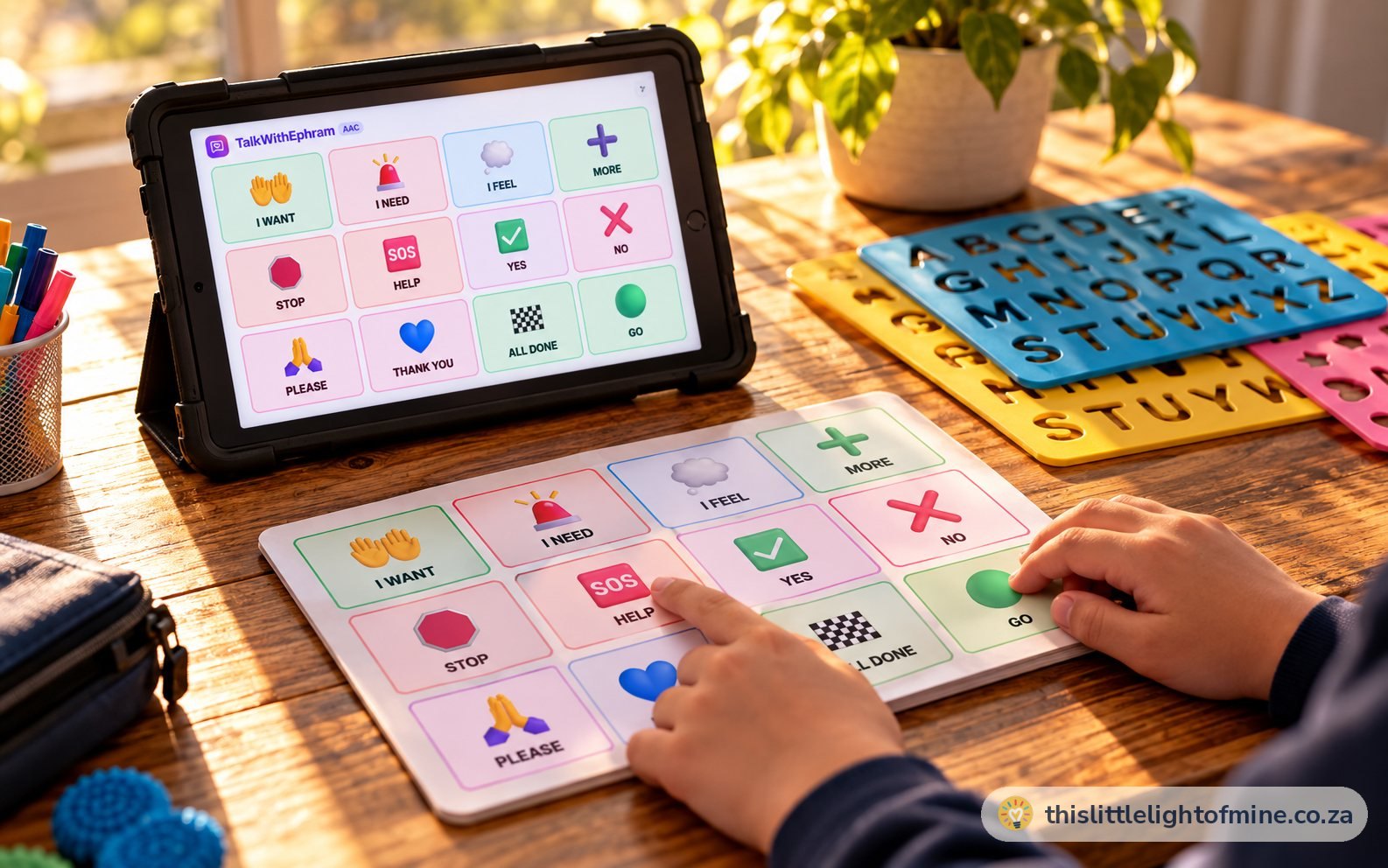
Why communication cannot always be measured through speech, and why patience and individualised communication support matter.

How allowing time for a response can change the way we communicate and interact with autistic people.

Sounds, lights, crowds and unfamiliar places can affect how our son experiences the world. We share what we have learned about noticing and respecting sensory needs.
Follow our journey
On Facebook and Instagram we share more of the everyday moments, experiences, challenges and milestones that make up our family's journey.