
The importance of processing time
Sometimes, the most helpful thing we can offer someone is a little more time.

We are used to quick conversations.
We ask a question, expect an answer and move on. In busy environments, we may repeat ourselves if someone doesn't respond immediately.
But communication doesn't happen at the same pace for everyone.
Some autistic people need additional time to process information, understand a question or prepare a response. This can be especially noticeable when instructions are complicated, the environment is busy or several things are happening at once.
Understanding this can change the way we communicate.
It can also change how we interpret silence.
What does processing time mean?
Processing time refers to the time someone needs to take in information, make sense of it and respond.
For some autistic people, this process may take longer in particular situations.
A question that appears simple to us may involve several steps for another person. They may need to understand the words, work out what is being asked, consider the available options and decide how to communicate an answer.
The time required can vary according to the individual, the environment, the complexity of the information and their current level of stress or fatigue.
Not every autistic person experiences processing differences in the same way.
The important thing is to observe what helps the individual communicate and participate comfortably.
Silence doesn't always mean no understanding
When someone doesn't respond immediately, we may assume they haven't heard us, haven't understood or aren't interested.
But we cannot reliably determine what someone understands simply by looking at how quickly they respond.
A delayed response may reflect processing demands, communication differences, distraction, uncertainty or other factors.
It is worth remembering that spoken communication is only one way to demonstrate understanding.
Instead of making assumptions, give the person time and look for accessible ways to check understanding when necessary.
How rushing can make things harder
Imagine being asked a question and, before you have time to answer, hearing it repeated.
Then another question follows.
Someone offers an answer on your behalf or begins explaining what you should do next.
You now have more information to process, and the pressure to respond may have increased.
For someone who needs additional processing time, this can make an interaction more difficult.
Repeated questions can also unintentionally communicate impatience, even when that isn't the intention.
A calmer approach is often more helpful: ask, pause and allow the person an opportunity to respond.
Five ways to make more space for responses
1. Ask one question at a time
Avoid combining several questions or instructions into one long sentence.
Clear, manageable information can be easier to process than a stream of instructions.
2. Allow a pause
After asking a question, resist the urge to fill every silence.
Give the person time to process and respond using their preferred communication method.
The appropriate amount of time will vary from person to person.
3. Keep language clear
Use straightforward language where appropriate. If an instruction is complicated, break it into smaller steps.
Visual supports may also help some people understand what is expected.
4. Make communication tools available
If someone uses a communication board, tablet or other AAC system, ensure they can access it.
Do not expect a response through speech when the person communicates in another way.
Read more about AAC in Understanding life beyond spoken words
5. Reduce unnecessary pressure
A quieter environment, predictable routines and a calm communication style may help some autistic people participate more comfortably.
If a person appears overwhelmed, consider whether they need a break or a different approach.
Processing time matters at home, school and in the community
The importance of waiting extends far beyond conversations at home.
In schools, educators can allow time for students to respond rather than immediately moving on.
In shops and restaurants, staff can speak directly to the autistic customer and give them time to communicate.
At family gatherings, relatives can offer choices without expecting an instant answer.
In healthcare settings, professionals can consider communication needs and allow sufficient time for responses.
These changes do not require everyone to become an autism expert.
They require a willingness to adapt.
Patience is not the same as lowering expectations
Allowing processing time does not mean assuming someone cannot understand or learn.
It means recognising that people may need different conditions to participate successfully.
We can maintain meaningful opportunities for learning, communication and decision-making while adjusting how we present information and how long we wait for a response.
The aim is to remove unnecessary barriers, not to make assumptions about someone's potential.
A little more time can make a big difference
We cannot always control how busy or unpredictable the world becomes.
But we can control how we respond to people who need a little more time.
We can ask fewer questions at once. We can pause. We can resist the urge to speak for someone. We can learn how they communicate and make room for their responses.
Sometimes, what looks like a small adjustment can change the entire experience of an interaction.
At This Little Light Of Mine, we believe that patience is an important part of inclusion.
Because understanding isn't always about saying more.
Sometimes, it is about giving someone the time and space they need to say what matters.
Ask. Pause. Wait. Listen. A little more time can open the door to a better connection.
Share this story

We are the family behind This Little Light Of Mine, sharing our journey with profound autism to shine a light on autism and open doors to understanding.
A note about this article
This article shares our family's lived experience and general information. It is not a substitute for individual medical, developmental, educational, or professional advice.
More stories
Keep reading
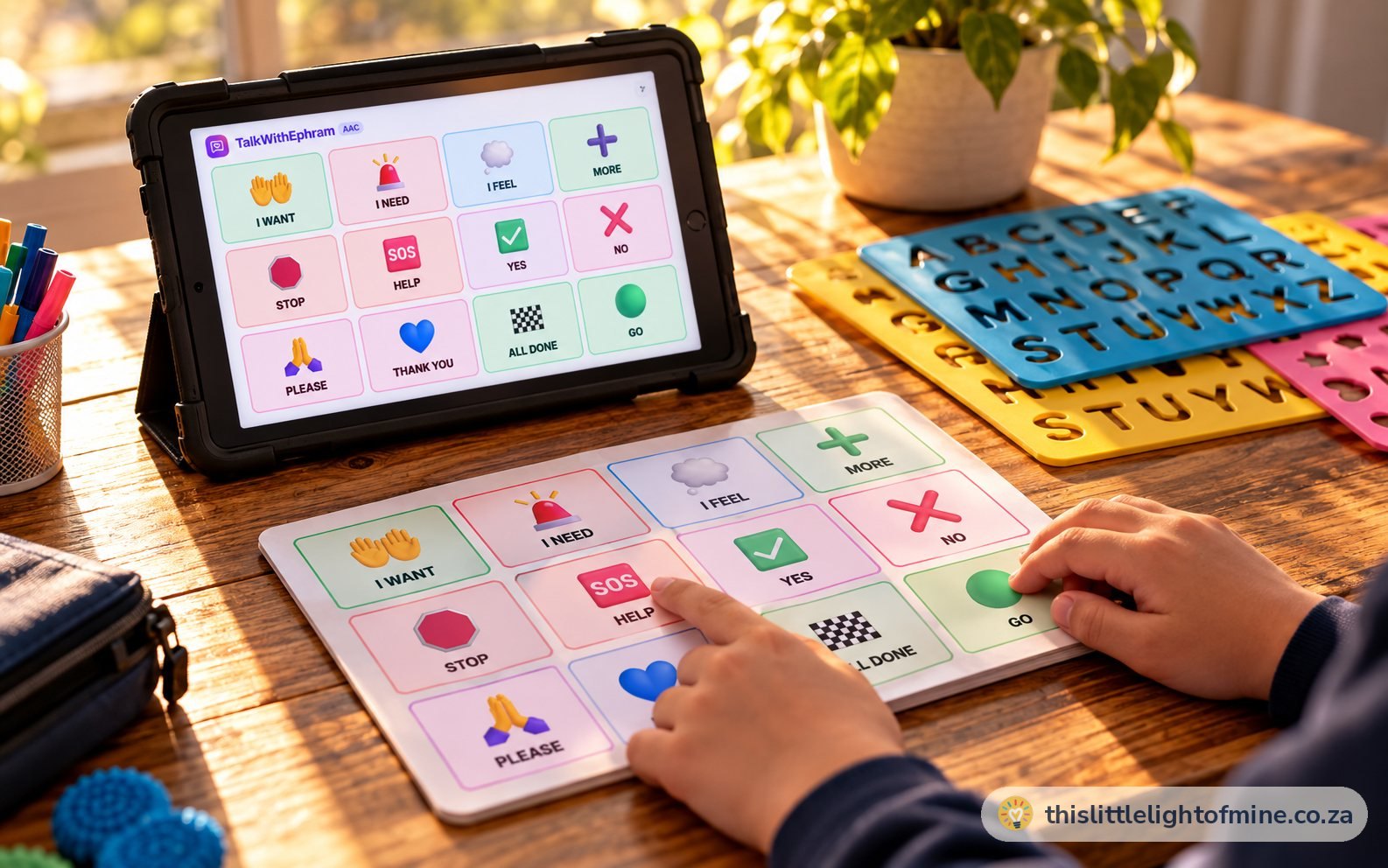
Not every conversation happens through speech. Sometimes, understanding begins when we learn to listen differently.

An ordinary day can feel very different when the world around you is overwhelming.

Autism is more than a diagnosis. It's about understanding a person's communication, sensory experiences, support needs and unique way of experiencing the world.
Follow our journey
On Facebook and Instagram we share more of the everyday moments, experiences, challenges and milestones that make up our family's journey.