Understanding profound autism: what we wish more people knew
Autism is more than a diagnosis. It's about understanding a person's communication, sensory experiences, support needs and unique way of experiencing the world.

When people hear the word autism, they often picture a particular set of characteristics. Perhaps they think of someone who finds social situations difficult, someone with a remarkable memory, or someone who communicates a little differently.
But autism is a spectrum, and the experiences of autistic people can differ enormously.
Some autistic people live independently, while others require significant support throughout their lives. Some communicate primarily through speech, while others use alternative methods or communicate without spoken words.
Our journey has taught us that understanding autism means looking beyond what we can see, what we expect and what society considers typical.
For families like ours, profound autism is part of everyday life. It influences how we communicate, how we plan, how we navigate the world and how we think about the future.
But it is not the whole story of who our children are.
What does profound autism mean?
The term profound autism is used in some clinical and advocacy contexts to describe autistic people who have substantial support needs, often including significant communication differences and a need for considerable assistance with everyday activities.
Where does the term profound autism come from?
It is important to understand that autism does not look the same in every person. A diagnosis can help explain certain characteristics and support needs, but it cannot tell us everything about an individual's personality, interests, preferences or potential.
Behind every diagnosis is a person.
Someone who has things they enjoy, things they dislike, relationships that matter to them and their own way of experiencing the world.
Understanding profound autism means recognising the reality of substantial support needs without allowing those needs to overshadow the person.
Being non-speaking doesn't mean having nothing to say
One of the most important things we can learn is that spoken language is only one form of communication.
Some autistic people communicate using gestures, facial expressions, body movements, communication boards, tablets or augmentative and alternative communication (AAC) systems.
Others use several methods depending on the situation.
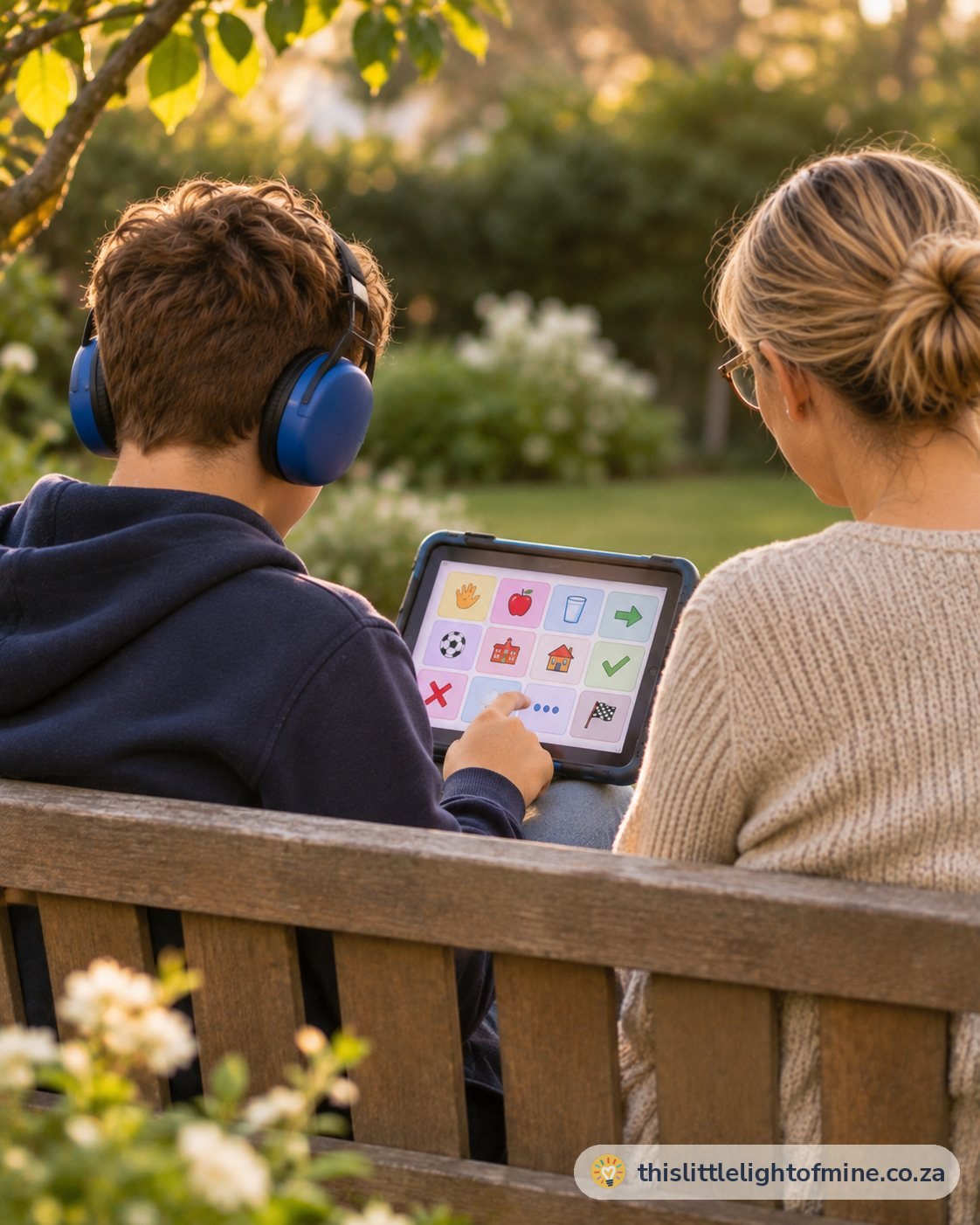
Communication may not always look the way we expect, but that doesn't make it less meaningful.
A person may have preferences, make choices, express discomfort or show enjoyment without using spoken words. Learning to recognise an individual's communication signals can help us understand them better.
We must also remember that communication is a two-way process. It isn't enough to expect an autistic person to adapt to the way everyone else communicates. We have a responsibility to adapt too.
Communication is about connection, not just conversation.
Sometimes, we need to give more time
Imagine being asked a question while you're trying to process several other things happening around you.
Now imagine someone repeating the question, asking another question before you've responded, or assuming that your silence means you haven't understood.
For some autistic people, processing information and preparing a response can take additional time.
Allowing that time can make a meaningful difference.
Using clear language, reducing unnecessary distractions and allowing pauses in conversation can create more opportunities for understanding and participation.
We don't always need to fill the silence.
Sometimes, the most helpful thing we can do is wait.
The world can feel very different
Everyday environments can present challenges that other people barely notice.
Bright lights, unexpected sounds, crowded spaces, unfamiliar routines and changes in plans can be overwhelming for some autistic people.
Sensory experiences vary considerably. What feels comfortable to one person may be distressing to another.
This is why understanding an individual's sensory needs matters.
Noise-cancelling headphones, quieter spaces, predictable routines and advance preparation may help some people navigate particular environments more comfortably.
These adjustments are not about making life smaller. They can make it possible to participate more fully.
Instead of asking why someone cannot simply cope, we can ask what might make the environment more accessible.
Support needs do not define a person
Some autistic people need substantial support throughout their lives. Acknowledging this reality is important.
So is recognising that needing support does not diminish someone's worth.
Needing assistance with daily activities does not make someone less deserving of opportunities.
Being non-speaking does not mean someone has no preferences.
Taking longer to respond does not mean someone isn't paying attention.
And requiring lifelong support does not mean a person's life cannot be meaningful, fulfilling or connected to others.
We need a broader understanding of independence, success and participation. These things can look different for different people.
The goal should not be to make everyone fit the same mould. It should be to give each person the support and opportunities they need to live as fully as possible.
Inclusion begins with understanding
Inclusion is about more than inviting someone to participate.
It means considering whether they can genuinely access the experience, communicate their needs, feel comfortable and take part in a way that works for them.
Sometimes inclusion requires practical adjustments. Sometimes it means changing our expectations. Often, it starts with listening to families and learning about the individual.
We don't need everyone to understand every aspect of profound autism immediately.
But we do need people to remain curious, compassionate and willing to learn.
Seeing the person beyond the diagnosis
At This Little Light Of Mine, we believe that understanding begins when we look beyond labels and take the time to see the individual.
Our journey continues to teach us about communication, patience, advocacy and the many ways people can connect with the world around them.
We share these experiences because awareness matters, but understanding matters even more.
Every autistic person deserves dignity, respect and the opportunity to be understood as an individual.
Sometimes, making a difference starts with something as simple as slowing down, looking a little closer and allowing someone the space to be themselves.
Let's keep shining a light on the people, experiences and possibilities that deserve to be seen.
Share this story
We are the family behind This Little Light Of Mine, sharing our journey with profound autism to shine a light on autism and open doors to understanding.
A note about this article
This article shares our family's lived experience and general information. It is not a substitute for individual medical, developmental, educational, or professional advice.
More stories
Keep reading
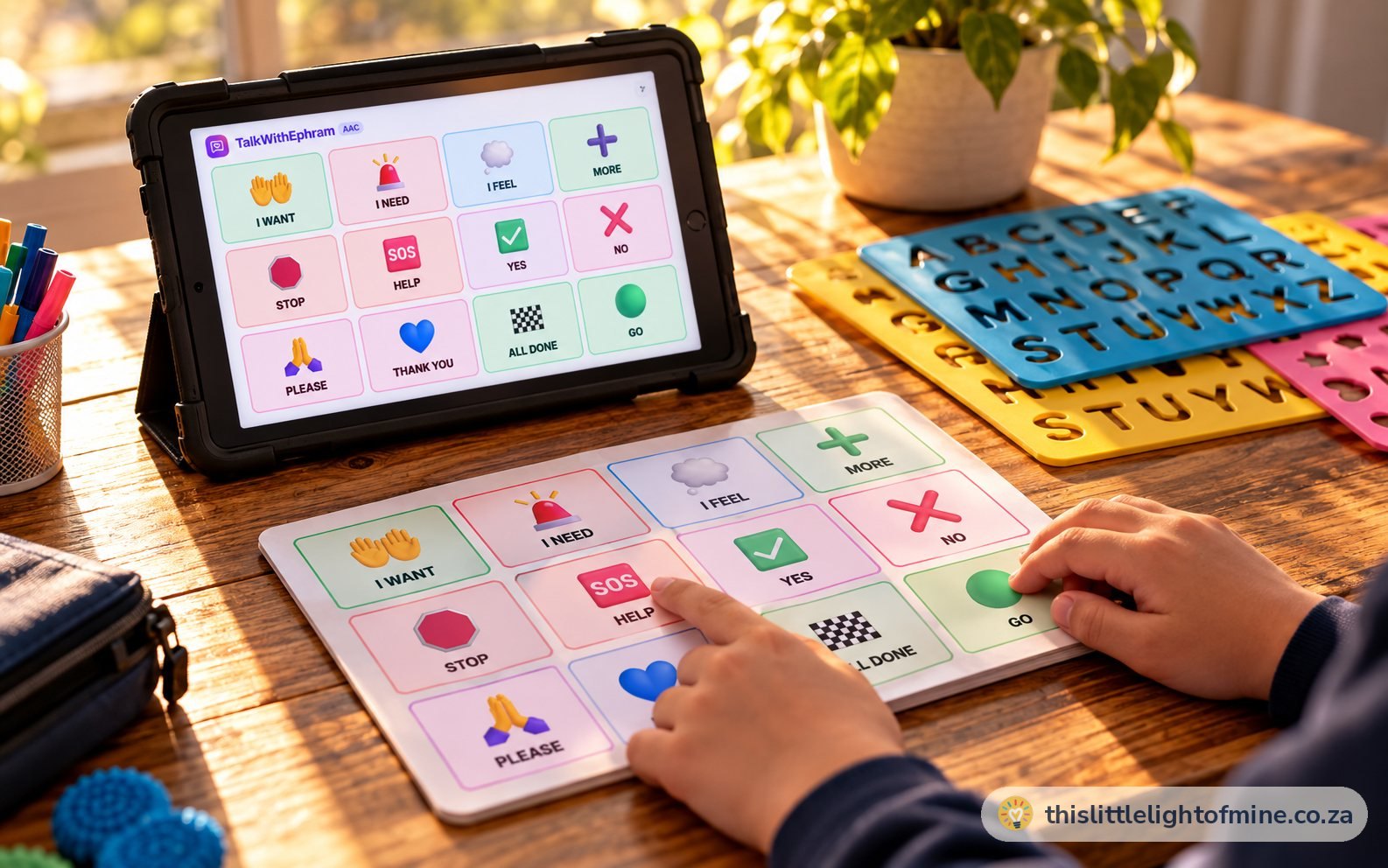
Not every conversation happens through speech. Sometimes, understanding begins when we learn to listen differently.

An ordinary day can feel very different when the world around you is overwhelming.

Sometimes, the most helpful thing we can offer someone is a little more time.
Follow our journey
On Facebook and Instagram we share more of the everyday moments, experiences, challenges and milestones that make up our family's journey.