
When the world feels too loud: sensory experiences in everyday life
An ordinary day can feel very different when the world around you is overwhelming.
Imagine walking into a busy shopping centre.
Music is playing. People are talking. Trolleys are rattling. Bright lights reflect off the floor, and unexpected noises seem to come from everywhere.
For one person, it may be an ordinary shopping trip.
For another, it may be an exhausting sensory experience.
Autistic people can experience differences in how they process sensory information. Sounds, lights, smells, textures, movement and other sensations may be experienced differently from person to person.
Understanding these differences can help us create environments where more people feel comfortable and included.
What are sensory differences?
Our senses help us interpret the world around us.
Sensory processing involves taking in information from our surroundings and our bodies and responding to it.
Some autistic people are particularly sensitive to certain sensory experiences. Others may seek out particular sensations or notice some sensations less readily.
An individual may experience several different sensory patterns depending on the situation.
For example, someone may find sudden loud noises distressing but enjoy listening to familiar music. Another person may be comfortable in a busy outdoor space but struggle with fluorescent lighting or particular clothing textures.
There is no single sensory profile that describes every autistic person.
Understanding an individual's needs is much more useful than relying on assumptions.
When everyday sounds become too much
Busy restaurants, shopping centres, birthday parties and public events can contain layers of sound.
Conversations overlap. Music plays in the background. Chairs scrape across floors. Appliances hum. People call out unexpectedly.
For someone who finds these sounds difficult to process, the combined experience can be overwhelming.
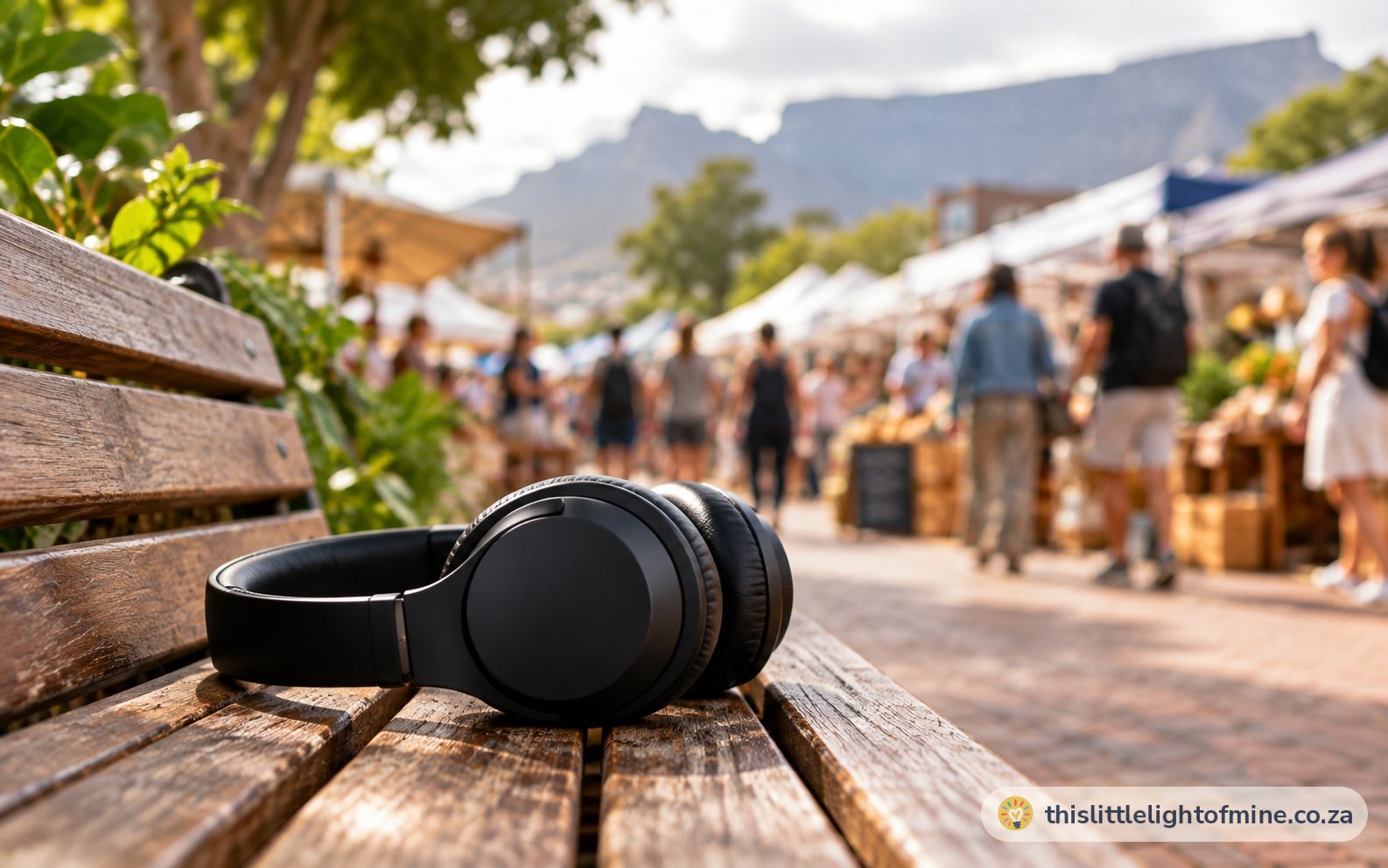
Noise-cancelling headphones or ear defenders may help some autistic people manage certain environments.
Quieter spaces, shorter visits and the option to step outside can also make a difference.
It is important not to assume that headphones mean someone is being antisocial. They may be using a practical tool that helps them participate more comfortably.
Light, texture and other sensations matter too
Sound is only one part of the picture.
Bright lights, flickering screens, strong smells, crowded spaces and uncomfortable clothing can also affect how someone experiences an environment.
Some people may find unexpected touch distressing. Others may prefer particular textures or benefit from movement and other sensory activities.
These preferences and sensitivities can influence everyday routines, from getting dressed in the morning to travelling, eating out or attending appointments.
Rather than dismissing these experiences, we can ask what adjustments might help.
Could the lighting be softened? Could a quieter table be chosen? Could the person wear comfortable clothing or bring a familiar item?
Small changes can make ordinary activities more manageable.
Recognising when someone is overwhelmed
Sensory distress does not always look the same.
A person may try to leave an environment, cover their ears, become quieter, move repeatedly, show signs of agitation or have difficulty continuing an activity.
Some people may not be able to explain what is wrong in a way others readily understand.
These signs do not automatically tell us what someone is experiencing, so we should avoid jumping to conclusions.
Instead, consider what has changed in the environment and what the person may need.
Reducing demands, moving to a quieter space or allowing time to recover may help.
If a person is distressed, the priority should be safety, dignity and appropriate support, rather than insisting that they continue as normal.
Planning ahead can help
For some autistic people, knowing what to expect makes unfamiliar environments easier to navigate.
Depending on the individual, helpful strategies may include:
- Visiting a new place at a quieter time.
- Looking at photographs of the venue beforehand.
- Explaining what will happen and preparing for possible changes.
- Bringing familiar comfort items or sensory supports.
- Planning breaks and identifying a quieter place to retreat to.
- Keeping outings flexible rather than treating every activity as something that must be completed.
Not every strategy will work for everyone.
The goal is to learn what helps the individual and to respect their needs.
Making everyday places more welcoming
Businesses, schools, churches, restaurants and community organisations can all contribute to better sensory accessibility.
Simple measures may include reducing unnecessary background noise, offering quieter spaces, making information available in advance and allowing people to use appropriate sensory supports.
Staff can also be encouraged to respond calmly when someone appears distressed.
Most importantly, people should not have to justify every adjustment before being treated with respect.
A little understanding can help families feel more comfortable participating in everyday activities.
Inclusion means making room for different experiences
It is easy to assume that everyone experiences the world in roughly the same way.
But what feels ordinary to one person may be overwhelming to another.
When we recognise sensory differences, we can begin to replace judgement with understanding.
We can stop asking why someone cannot simply tolerate a situation and start considering what might make that situation more accessible.
At This Little Light Of Mine, we believe that inclusion begins when we take people's experiences seriously, even when those experiences differ from our own.
The world will not always be quiet, predictable or comfortable.
But we can make more room for people who experience it differently.
Sometimes, making the world more welcoming starts by turning down the noise and turning up our understanding.
Share this story

We are the family behind This Little Light Of Mine, sharing our journey with profound autism to shine a light on autism and open doors to understanding.
A note about this article
This article shares our family's lived experience and general information. It is not a substitute for individual medical, developmental, educational, or professional advice.
More stories
Keep reading
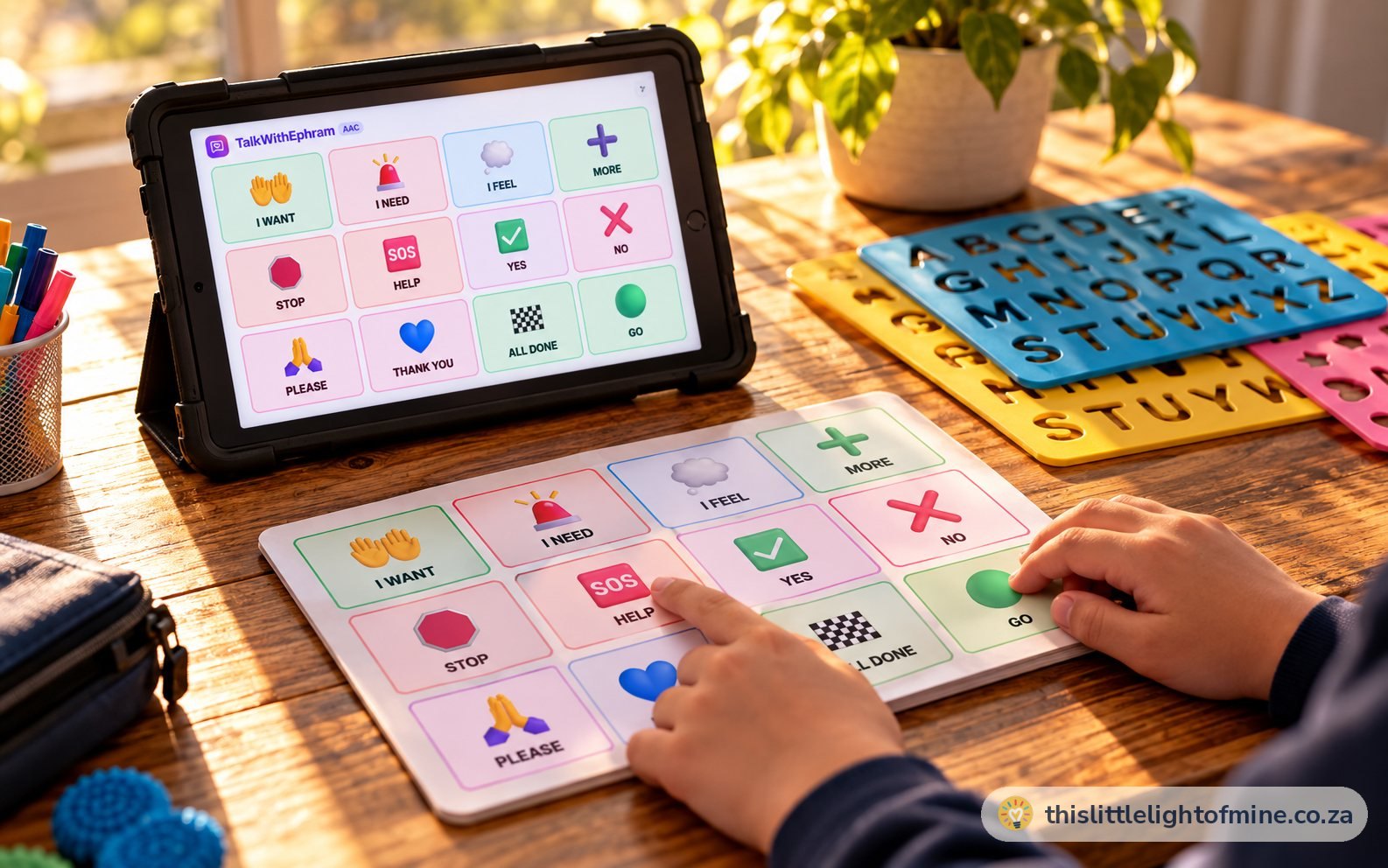
Not every conversation happens through speech. Sometimes, understanding begins when we learn to listen differently.

Autism is more than a diagnosis. It's about understanding a person's communication, sensory experiences, support needs and unique way of experiencing the world.

Sometimes, the most helpful thing we can offer someone is a little more time.
Follow our journey
On Facebook and Instagram we share more of the everyday moments, experiences, challenges and milestones that make up our family's journey.