
Small changes, big difference: making everyday places more welcoming
Inclusion does not always require a major transformation. Sometimes, it begins with a small change and a willingness to understand.
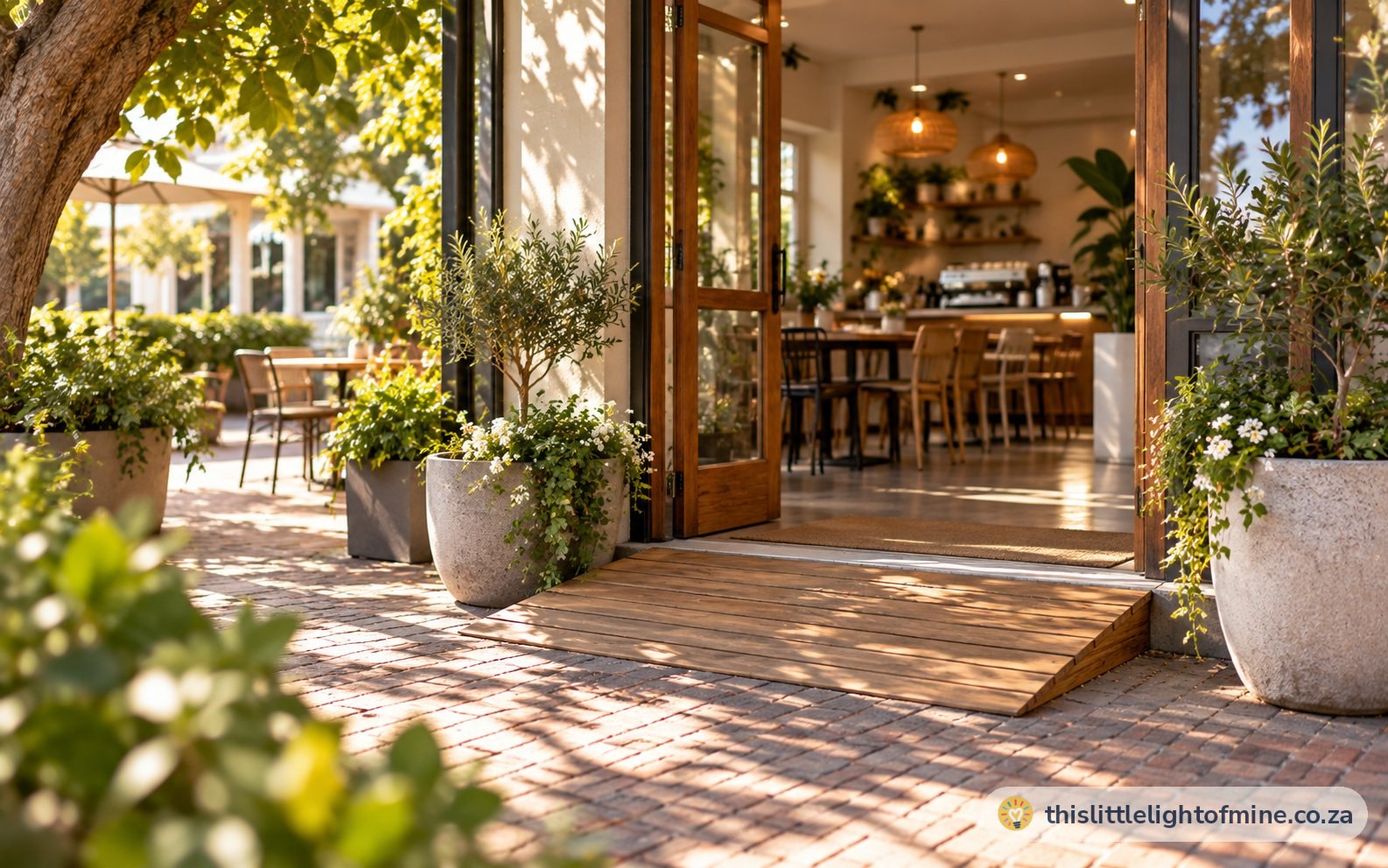
Think about the places you visit during an ordinary week.
A supermarket. A restaurant. A family gathering. A church service. A birthday party. A local community event.
These places may seem straightforward to navigate, but for some autistic people, they can present barriers that others barely notice.
Unexpected noise, bright lighting, unfamiliar routines, crowded spaces and communication difficulties can make participation challenging.
For families, even a simple outing may require planning and preparation.
But there is good news: communities can do a great deal to make everyday places more welcoming.
And many of the most helpful changes are surprisingly simple.
Inclusion begins before someone arrives
Imagine knowing in advance what a place will look like, how busy it might be, where to find the entrance and whether there is somewhere quiet to take a break.
For some autistic people and their families, this information can make an unfamiliar experience easier to prepare for.
Businesses and community organisations can help by providing clear information about their environment.
Photographs of the venue, straightforward directions, details about parking and information about expected noise levels can help visitors decide what will work for them.
If an event involves changes to the usual routine, explaining these beforehand may also be useful.
Predictability will not remove every barrier, but it can help people make informed choices.
Small changes can make a difference in shops and restaurants
Busy environments can be challenging for people who experience sensory differences.
Businesses may be able to improve accessibility through practical adjustments such as:
- Offering seating away from speakers or busy walkways.
- Providing clear menus and straightforward information.
- Allowing customers to use headphones or other sensory supports.
- Reducing unnecessary background noise where practical.
- Offering quieter visiting times when possible.
- Training staff to communicate patiently and respectfully.
Not every adjustment will be possible in every setting, but a willingness to discuss reasonable options can make a meaningful difference.
Staff do not need to know everything about autism.
They do need to understand that customers communicate and experience environments differently.
Read more about sensory experiences
Making family gatherings more welcoming
Birthdays, weddings and family celebrations are often associated with noise, excitement, conversation and unexpected changes.
For some autistic people, these events can be enjoyable. For others, aspects of the experience may be difficult.
Families may appreciate knowing what to expect, having access to a quieter space or being able to leave when necessary.
Hosts can help by explaining the plan in advance, providing a calm place to retreat to and avoiding pressure to participate in every activity.
It is also important to recognise that attending for a shorter period can still be meaningful participation.
An invitation should not become an obligation to stay, socialise or behave in a particular way.
Sometimes, making an event more inclusive means giving people more choices.
Communication is part of accessibility
Accessibility is not only about ramps, entrances and physical spaces.
It also includes the ways people receive information and communicate.
An autistic person may use speech, gestures, pictures, a communication device or another method.
Community members can help by speaking directly to the person, allowing time for responses and avoiding assumptions about what they understand.
If someone uses a communication aid, do not interfere with it or assume it is optional simply because the person does not speak.
Ask how best to communicate when appropriate, and respect the person's preferences.
Above all, remember that a communication difference does not make someone less deserving of being included.
Read more in Understanding life beyond spoken words
What about churches, clubs and community organisations?
Community organisations can play an important role in creating opportunities for belonging.
A few practical questions can help identify areas for improvement:
- Is information about activities available in advance?
- Can people take breaks without drawing unwanted attention?
- Are there quieter areas available when possible?
- Do organisers understand that participation may look different for different people?
- Can instructions be provided in clear, accessible ways?
- Are families made to feel welcome rather than judged?
These questions are useful starting points, not a checklist that every organisation must complete before welcoming autistic people.
The aim is to identify barriers and work towards reducing them.
Inclusion should not depend on someone explaining themselves
Families often become accustomed to explaining communication differences, sensory needs and support requirements.
Sometimes these conversations are necessary.
But it can be exhausting when people must repeatedly justify why an adjustment matters or why a situation is difficult.
A more welcoming community begins with the assumption that people deserve respect, even when their needs are not immediately obvious.
It means responding to differences with curiosity instead of criticism.
It means offering assistance without taking control away from the person.
And it means understanding that a family may have made considerable effort simply to be there.
Small changes, wider impact
A quieter space may help one person stay at an event longer.
Clearer information may help a family feel confident enough to visit a new place.
A patient interaction may allow someone to communicate a preference independently.
These changes may seem small, but their impact can extend beyond a single moment.
When communities become more accessible, more people have opportunities to participate, build relationships and feel that they belong.
That is what meaningful inclusion is about.
A more welcoming world starts with us
We cannot expect every public space to be perfect, and no single adjustment will meet everyone's needs.
But we can ask better questions, listen to autistic people and their families, and make practical changes where possible.
We can recognise that inclusion is not simply allowing someone through the door.
It is considering what helps them feel welcome once they arrive.
At This Little Light Of Mine, we believe that a more inclusive world is built through everyday choices.
A little patience. A quieter corner. Clearer information. A willingness to adapt.
Small changes can open doors. Together, we can help make more of the world a place where everyone has the opportunity to belong.
Share this story
We are the family behind This Little Light Of Mine, sharing our journey with profound autism to shine a light on autism and open doors to understanding.
A note about this article
This article shares our family's lived experience and general information. It is not a substitute for individual medical, developmental, educational, or professional advice.
More stories
Keep reading

An autism diagnosis can bring many questions. You do not need to find every answer at once.

As our children grow, the questions change. And sometimes, the future brings questions that are difficult to answer.
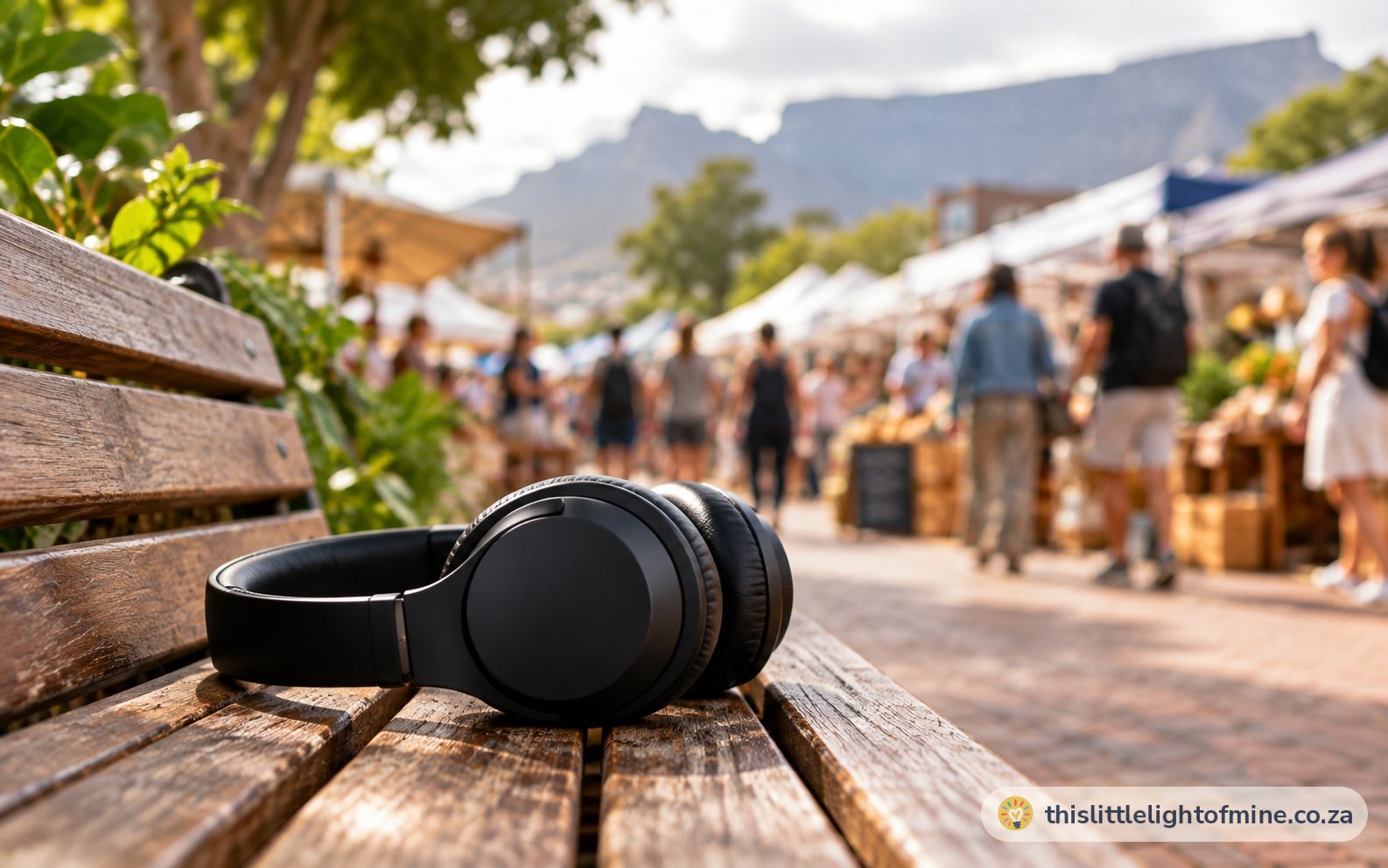
An ordinary day can feel very different when the world around you is overwhelming.
Follow our journey
On Facebook and Instagram we share more of the everyday moments, experiences, challenges and milestones that make up our family's journey.